How Accurate Is Saliva Drug Testing?

Drug testing plays a critical role in maintaining safe, compliant, and productive workplaces across the United States. Employers in safety-sensitive industries, such as transportation, healthcare, construction, and manufacturing, often rely on drug testing programs to reduce risk, comply with regulations, and promote employee well-being. As new testing technologies have emerged, saliva drug testing, also known as oral fluid drug testing, has become an increasingly popular option.
But one question frequently arises among employers and HR professionals: how accurate is saliva drug testing?
Understanding the accuracy of saliva drug tests is essential when selecting the right testing method for workplace programs. Employers want a testing option that is reliable, resistant to tampering, and capable of detecting recent drug use while minimizing the risk of false positives or inaccurate results.
This guide explores the reliability of saliva drug tests, how they work, their detection windows, potential sources of error, and how they compare to other testing methods, such as urine and hair testing. By understanding the science behind oral fluid testing, employers can make more informed decisions when building or improving their workplace drug testing programs.
Listen to article

Table of Contents
What Is a Saliva Drug Test?
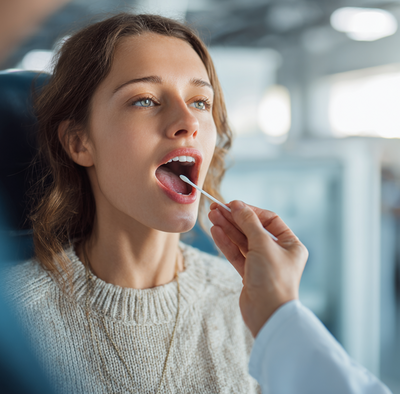
A saliva drug test analyzes oral fluid collected from inside a person's mouth to detect the presence of drugs or their metabolites. During the test, an oral fluid collection device is placed between the gum and cheek to collect saliva. The sample is then analyzed using laboratory equipment to determine whether drugs are present.
According to the National Institute on Drug Abuse, oral fluid drug testing has become an effective method for detecting recent drug use because drugs enter saliva shortly after they are consumed. When drugs circulate in the bloodstream, small amounts pass into oral fluid through salivary glands and mucosal membranes.
This process allows saliva drug tests to detect substances such as:
-
marijuana (THC)
-
cocaine
-
amphetamines
-
methamphetamines
-
opioids
-
benzodiazepines
Because oral fluid samples are collected directly from the mouth and typically under observation, saliva drug testing significantly reduces the likelihood of sample substitution or tampering compared to other methods.
For employers seeking convenient testing options, saliva tests are frequently used for:
-
post-accident testing
-
reasonable suspicion testing
-
random workplace drug testing
-
roadside or on-site testing
These scenarios often require fast detection of recent drug use, which is where saliva drug test accuracy becomes particularly important.
How Saliva Drug Testing Works
To understand saliva drug test accuracy, it helps to examine how the testing process works scientifically.
When drugs enter the bloodstream, whether through smoking, ingestion, inhalation, or injection, they circulate throughout the body. As blood passes through salivary glands, trace amounts of drugs and their metabolites diffuse into saliva. Because oral fluid is closely linked to blood plasma concentrations, saliva testing can provide an indicator of very recent drug use.
After the saliva sample is collected, the testing process typically includes two stages:
Initial Screening
The first step uses immunoassay technology to detect the presence of specific drugs. Immunoassays rely on antibodies that bind to drug molecules. If a drug is present above a certain threshold, the test will produce a preliminary positive result.
Confirmatory Laboratory Testing
If a sample screens positive, laboratories perform confirmatory testing using highly precise techniques such as gas chromatography–mass spectrometry (GC-MS) or liquid chromatography–mass spectrometry (LC-MS).
These advanced technologies identify specific chemical signatures of drugs and eliminate many false positives. According to The Association for Diagnostics & Laboratory Medicine, confirmatory tests provide extremely high specificity and are considered the gold standard for drug testing verification.
This two-step testing process greatly increases saliva drug test accuracy and ensures reliable results for workplace programs.
How Accurate Are Saliva Drug Tests?
Overall, saliva drug tests are considered highly accurate when laboratory confirmation is used. Studies indicate that oral fluid testing can reliably detect recent drug use with accuracy rates comparable to urine testing under many circumstances.
Several factors contribute to saliva drug test accuracy:
1. Direct Observation Reduces Tampering
Unlike urine testing, saliva collection is usually performed under direct observation without invading privacy. Because the sample comes directly from the mouth, it is difficult to dilute, substitute, or adulterate the sample. This significantly improves the reliability of results in workplace testing programs.
2. Laboratory Confirmation Improves Precision
Confirmatory laboratory testing dramatically reduces the likelihood of false positives. According to the Substance Abuse and Mental Health Services Administration, confirmatory drug testing methods like GC-MS are extremely specific and can accurately distinguish between drug compounds.
3. Rapid Detection of Recent Use
Saliva drug testing typically detects drug use within minutes to hours after consumption. This makes it useful for identifying potential impairment or recent substance use. However, accuracy can vary depending on several factors, including the type of drug, collection procedures, and laboratory standards.
Detection Windows for Saliva Drug Testing
One of the defining characteristics of oral fluid testing is its relatively short detection window of only up to 48 hours.
While this can be advantageous for identifying recent use, it differs from other drug testing methods. Saliva drug tests are best used for reasons like post-accident testing or reasonable suspicion.
Can Saliva Drug Tests Produce False Positives?
A common concern among employers is whether saliva drug tests can produce false positives.
Although rare when proper procedures are followed, false positives can occasionally occur during the initial screening stage. Certain medications or substances may temporarily trigger cross-reactivity in immunoassay tests.
Examples may include:
-
some over-the-counter cold medications
-
certain prescription drugs
-
specific dietary substances
However, confirmatory testing typically eliminates these inaccuracies. When a laboratory performs GC-MS or LC-MS analysis, it precisely identifies drug molecules, making false positives extremely unlikely.
According to the Mayo Clinic, confirmatory laboratory testing ensures that drug test results are scientifically verified before being reported as positive. Because of this two-step process, the overall risk of false positives in professional workplace testing programs is very low.
Saliva Drug Tests vs Urine Drug Tests
Many employers compare oral fluid testing with traditional urine drug testing when selecting a drug testing program.
Both methods offer reliable results, but they serve slightly different purposes.
Urine drug testing has historically been the most widely used method in workplace testing programs. It can detect drug use for longer periods because drug metabolites remain in urine for several days after consumption.
Saliva drug testing, on the other hand, detects drugs closer to the time they were used. This makes it more effective at identifying recent drug use that could impact workplace safety.
Another advantage of saliva testing is the reduced risk of tampering. Urine samples may sometimes be diluted or substituted if the collection is not observed. Oral fluid samples are much harder to manipulate.
According to the Substance Abuse and Mental Health Services Administration, both testing methods are considered scientifically reliable when performed in certified laboratories.
Ultimately, the choice between saliva and urine testing often depends on an employer's goals, regulatory requirements, and workplace environment.
Saliva Drug Tests vs Hair Drug Tests
Hair drug testing offers a much longer detection window than saliva testing. Drugs can remain detectable in hair follicles for up to 90 days after use. Because of this extended window, hair testing is often used for pre-employment screening or background drug history checks.
However, hair testing does not detect very recent drug use. It may take several days after drug consumption for substances to become detectable in hair.
In contrast, saliva drug tests detect drug use shortly after consumption. This makes oral fluid testing more useful for situations such as post-accident testing or reasonable suspicion testing, where recent use is a concern.
According to the National Institute on Drug Abuse, each testing method serves different purposes depending on the timeframe employers want to monitor.
When Employers Should Use Saliva Drug Testing
Saliva drug testing is particularly useful in workplace scenarios where identifying recent drug use is important.
For example, if an accident occurs in a workplace, employers often need to determine whether drug use may have contributed to the incident. Because saliva testing detects drugs quickly after use, it can help provide timely information.
Employers may also choose saliva testing when conducting reasonable suspicion testing. If a supervisor observes signs of possible impairment, oral fluid testing can help determine whether drugs were recently consumed.
Another advantage is convenience. Saliva testing can often be performed on-site without requiring specialized restroom facilities. This makes it easier to conduct testing in remote workplaces, construction sites, or transportation settings.
In addition, oral fluid testing can reduce logistical challenges associated with urine collection, particularly when testing large numbers of employees.
How Employers Can Improve Drug Test Accuracy
Although saliva drug testing is highly reliable, accuracy depends on proper testing procedures. Employers can improve accuracy by following best practices when implementing workplace drug testing programs.
First, it is important to work with certified laboratories that follow federal drug testing standards, such as Health Street. We use validated testing methods and strict quality control processes.
Second, trained collectors should perform sample collection using approved devices and protocols. Proper collection reduces the risk of contamination or invalid samples.
Third, employers should ensure that positive screening results always undergo confirmatory laboratory testing before final decisions are made. This step is essential for eliminating false positives and ensuring fair results.
Finally, clear workplace policies help ensure consistent testing practices and legal compliance. By implementing these best practices, employers can maximize saliva drug test accuracy and maintain reliable testing programs.
The Role of Drug Testing Panels
Drug testing panels determine which substances are included in a test. Different panels screen for different groups of drugs depending on workplace needs.
Common panel options include 5 panel, 10 panel, or expanded panels that detect additional substances such as prescription medications or synthetic drugs.
Selecting the appropriate panel depends on several factors, including industry regulations, workplace safety risks, and employer policies. For example, federally regulated transportation employers must follow specific drug testing panel requirements established by the U.S. Department of Transportation.
Choosing the right panel ensures that employers detect the substances most relevant to their workplace safety concerns.
Why Saliva Drug Testing Is Growing in Popularity
In recent years, oral fluid testing has gained popularity among employers across the United States. Several factors have contributed to this growth.
First, advances in laboratory technology have improved saliva drug test accuracy and reliability. Modern testing devices and analytical instruments allow laboratories to detect extremely small concentrations of drugs.
Second, saliva testing provides a practical balance between convenience and accuracy. It offers reliable detection of recent drug use without requiring complex collection procedures.
Third, regulatory acceptance of oral fluid testing has increased. Government agencies and professional organizations have recognized its scientific validity and usefulness in workplace programs.
As a result, many employers now incorporate saliva drug testing as part of comprehensive workplace drug testing strategies.
Frequently Asked Questions
Are saliva drug tests as accurate as urine tests?
Saliva drug tests are considered highly accurate when laboratory confirmation is used. While urine testing has a longer detection window, oral fluid testing provides reliable detection of recent drug use. Studies referenced by the National Institute on Drug Abuse show that saliva drug tests can achieve comparable accuracy to urine testing when proper collection and confirmatory testing procedures are followed. For employers, saliva testing is particularly effective in situations where recent drug use is the primary concern, such as post-accident or reasonable suspicion testing.
How long after drug use can saliva tests detect substances?
Saliva drug tests typically detect drugs within minutes or hours after use and remain effective for about 24 to 48 hours, depending on the substance. According to the Substance Abuse and Mental Health Services Administration, oral fluid testing is especially useful for identifying recent drug use because drugs enter saliva quickly through the bloodstream. This short detection window makes saliva testing ideal for workplace scenarios where employers need to determine whether an employee may have used drugs shortly before or during work hours.
Can food or drinks affect saliva drug test results?
Normal food or beverage consumption generally does not affect saliva drug test results. However, most testing procedures require individuals to wait several minutes before sample collection to ensure an uncontaminated oral fluid sample. According to clinical guidance referenced by the American Association for Clinical Chemistry, trained collectors typically follow standardized procedures that prevent contamination. Confirmatory laboratory testing further ensures that final results accurately identify drug compounds rather than external substances.
Are saliva drug tests approved for workplace drug testing?
Yes, saliva drug testing is widely accepted for workplace testing programs and is increasingly used by employers across the United States. Regulatory agencies and research institutions, including the Substance Abuse and Mental Health Services Administration, recognize oral fluid testing as a scientifically valid drug testing method. Many employers choose saliva testing because it offers reliable detection of recent drug use, convenient collection procedures, and strong resistance to tampering.
What drugs can saliva drug tests detect?
Saliva drug tests can detect a wide range of commonly abused substances. These typically include marijuana, cocaine, amphetamines, methamphetamines, opioids, and benzodiazepines. According to research from the National Institute on Drug Abuse, oral fluid testing is capable of detecting drugs shortly after consumption because they pass from the bloodstream into saliva. Employers can select different drug testing panels to expand the range of substances detected, depending on their workplace policies and regulatory requirements.