7 Panel Saliva Drug Test: What It Screens For

As employers seek testing options that detect recent drug use while offering faster and more flexible collections, saliva (oral fluid) drug testing has become an increasingly popular choice.
One commonly requested option is the 7 panel saliva drug test, which expands beyond basic screening panels to include additional substances of concern in modern workplaces. For employers focused on identifying recent drug use, reducing tampering risks, and responding quickly to incidents or reasonable suspicion situations, understanding what a 7 panel saliva drug test screens for is essential.
This guide explains what a 7 panel saliva drug test includes, how it works, which substances are detected, and how employers commonly use it within workplace drug testing programs.
Listen to article

Table of Contents
What Is a 7 Panel Saliva Drug Test?
A 7-panel saliva drug test is a form of oral fluid drug testing that screens for seven different drug classes using a saliva sample collected from inside the mouth. The test analyzes oral fluid for the presence of drugs that have entered the bloodstream recently, making it particularly effective for identifying short-term or on-the-job drug use.
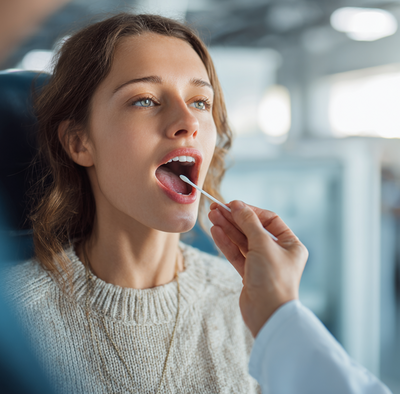
Unlike urine or hair testing, saliva drug testing uses a non-invasive swab placed between the cheek and gum. The collected specimen is then sent to a certified laboratory for analysis. Because the collection is directly observed, saliva testing reduces the risk of substitution or adulteration.
The "7 panel" designation refers to the number of drug categories included in the screening panel. This expanded panel allows employers to address a broader range of substances compared to basic panels, while still maintaining the advantages of oral fluid testing.
How a 7 Panel Saliva Drug Test Works
The testing process begins with a trained collector placing an oral fluid swab in the employee's mouth. The swab remains in place for a short period, typically a few minutes, until an adequate sample is collected. Because the collection is fully observed, no restroom facilities are required.
Once collected, the specimen is sealed and documented using strict chain-of-custody procedures. The sample is then transported to a certified laboratory, where an initial screening is performed. If the screening indicates a non-negative result, confirmatory testing is conducted using advanced laboratory methods to ensure accuracy.
Results are reviewed and reported in a standardized format, allowing employers to take appropriate action based on their workplace drug testing policy.
One key advantage of oral fluid testing is that collections are fully observed by a trained technician, reducing opportunities for tampering while providing a short detection window that helps identify very recent drug use.
What Drugs Does a 7 Panel Saliva Drug Test Screen For?
A 7-panel saliva drug test typically includes the following substances:
1. Marijuana (THC)
THC is the primary psychoactive compound found in marijuana. Saliva testing is particularly effective at detecting recent marijuana use, often within hours of consumption, making it useful for identifying potential on-the-job impairment.
2. Cocaine
Cocaine is a powerful stimulant that can significantly affect judgment, focus, and behavior. Saliva testing detects cocaine use shortly after ingestion, supporting post-incident and reasonable suspicion testing.
3. Amphetamines
This category includes amphetamine and methamphetamine. These substances can increase alertness and energy but may also impair judgment and increase risk-taking behaviors.
4. Opiates
Opiates typically include substances such as morphine, codeine, and heroin. Screening for opiates helps employers address risks associated with both illicit use and misuse of prescription medications.
5. Phencyclidine (PCP)
PCP is a hallucinogenic drug that can cause severe impairment, altered perception, and unpredictable behavior. Although less common, it remains a substance of concern in workplace testing.
6. Benzodiazepines
Benzodiazepines are prescription medications often used to treat anxiety or sleep disorders. Misuse can cause drowsiness, slowed reaction times, and impaired coordination, particularly in safety-sensitive roles.
7. Additional Drug Class (Expanded Option)
Depending on employer needs and laboratory offerings, the seventh panel may include substances such as barbiturates or other prescription medications of concern. Expanded panels allow employers to tailor testing to specific workplace risks and policy objectives.
Detection Window for a 7 Panel Saliva Drug Test
Saliva drug testing is designed to detect recent drug use, rather than long-term or historical substance use. According to the U.S. Food and Drug Administration (FDA) and the Substance Abuse and Mental Health Services Administration (SAMHSA), oral fluid testing reflects drugs that are present in the bloodstream near the time of collection, which makes it particularly effective for identifying short-term exposure.
Because drugs migrate from the blood into oral fluid shortly after use, substances screened in a 7-panel saliva drug test are typically detectable:
-
Within minutes to a few hours after use, once the drug enters systemic circulation, and
-
For approximately 24 to 48 hours, depending on the specific substance, frequency of use, dosage, and individual metabolism.
This relatively short detection window is one of the defining characteristics of saliva drug testing. Unlike urine testing, which may detect drug metabolites days after use, or hair testing, which identifies long-term patterns over weeks or months, saliva testing focuses on recent ingestion that may correlate with impairment or on-the-job safety risks.
An oral fluid (saliva) drug test for marijuana is designed to detect recent THC use, typically identifying marijuana consumption that occurred within the last 24 to 48 hours. Unlike urine or hair testing, oral fluid testing does not detect marijuana use beyond approximately 48 hours, making it ideal for determining very recent impairment or exposure. Because of this short detection window, oral fluid marijuana testing is especially useful in post-accident and reasonable suspicion situations, where employers need to assess recent drug use as close in time to an incident as possible.
Regulatory and public health agencies recognize oral fluid testing as particularly valuable in situations where timing matters, such as reasonable suspicion testing, post-incident investigations, and other scenarios where employers need insight into whether drug use occurred close to work hours.
Employers should understand that a 7-panel saliva drug test is not intended to establish long-term substance use history or lifestyle habits. Instead, it supports workplace decisions related to immediate safety, observed behavior, or incident response by identifying recent exposure that could impact job performance.
Benefits of a 7 Panel Saliva Drug Test for Employers
Expanded Substance Coverage
Compared to basic panels, a 7-panel saliva drug test screens for a wider range of substances, helping employers address both illicit drug use and prescription medication misuse.
Observed Collection
Directly observed collections reduce the risk of tampering and eliminate the need for restroom facilities, making testing easier to administer on-site or in remote locations.
Fast and Non-Invasive
Saliva testing is quick, discreet, and generally well-tolerated by employees, which can improve cooperation and reduce workplace disruption.
Effective for Recent Use Detection
Because saliva testing focuses on recent drug use, it is well-suited for situations where impairment or on-the-job use is a concern.
Common Employer Use Cases for a 7 Panel Saliva Drug Test
Employers commonly use 7-panel saliva drug testing in situations where broader screening and recent-use detection are both important.
Reasonable Suspicion Testing
When supervisors observe behavior that raises concerns about impairment, saliva testing provides timely insight into recent substance use.
Post-Incident or Post-Accident Testing
Following workplace incidents or near misses, saliva testing helps employers assess whether recent drug use may have been a contributing factor.
On-Site and Mobile Workforces
Workplaces with limited restroom access or mobile job sites benefit from the flexibility of saliva collections.
Enhanced Non-DOT Testing Programs
Employers not subject to DOT regulations may choose a 7-panel saliva test to strengthen deterrence and address emerging substance risks.
Compliance Considerations for Saliva Drug Testing
A 7 panel saliva drug test is primarily used in non-DOT workplace drug testing programs. Employers subject to DOT regulations must follow DOT-approved testing methods and panels.
For non-DOT testing, employers should ensure saliva testing complies with applicable state and local laws, consent requirements, and privacy standards. Clear written policies outlining when and how testing is conducted help ensure consistent and defensible application.
How Health Street Supports 7 Panel Saliva Drug Testing
Health Street helps employers integrate 7 panel saliva drug testing into their workplace programs by providing access to certified laboratories, flexible panel options, and nationwide collection services.
By coordinating testing logistics and delivering clear, consistent result reporting, Health Street supports employers across pre-employment, reasonable suspicion, and post-incident testing scenarios. Centralized testing services help employers maintain consistency, reduce administrative burden, and strengthen compliance efforts.
Key Takeaways for Employers
A 7 panel saliva drug test offers employers a practical way to expand substance coverage while maintaining the benefits of oral fluid testing. With observed collections, rapid detection of recent drug use, and flexible workplace applications, this testing option supports safety-focused decision-making.
By understanding what substances are included and when saliva testing is most effective, employers can determine whether a 7-panel saliva drug test aligns with their workplace drug testing goals.
Frequently Asked Questions
Is a 7 panel saliva drug test suitable for pre-employment screening?
Yes. Many employers use 7 panel saliva drug tests for pre-employment screening, particularly in non-DOT settings where detecting recent drug use and ensuring observed collection are priorities. Employers should ensure their written policy specifies saliva testing as an approved pre-employment method.
Can a 7 panel saliva drug test detect prescription drug misuse?
Yes. Depending on the panel configuration, a 7 panel saliva drug test may include prescription drug classes such as benzodiazepines or other medications commonly associated with workplace impairment. This allows employers to address misuse concerns beyond illicit substances.
Does a 7 panel saliva drug test require laboratory confirmation?
Yes. Non-negative screening results are confirmed through certified laboratory testing methods before results are reported. This confirmatory process helps ensure accuracy and defensibility in workplace decision-making.
Is an observed collection required for saliva drug testing?
Yes. Saliva drug testing collections are conducted under direct observation, which helps reduce the risk of tampering or substitution and supports the integrity of test results.
Can employers customize a 7 panel saliva drug test?
Yes. Employers may customize saliva testing panels to align with workplace risks, industry standards, or policy goals. Additional substances may be added, or panel configurations adjusted, depending on testing provider capabilities.