Saliva Drug Testing for Employers: Accuracy, Panels & Benefits

As workplace drug testing programs continue to evolve, employers are increasingly exploring alternatives to traditional urine testing. Saliva drug testing, also known as oral fluid drug testing, has gained attention for its ability to detect very recent drug use, offer observed collections, and support faster, more flexible testing processes.
For employers focused on safety, compliance, and risk reduction, understanding how saliva drug testing works and when it makes sense to use it is essential. While no single testing method is right for every situation, saliva testing can play a valuable role in a well-designed workplace drug testing program.
This guide explains how saliva drug testing works, what it detects, how accurate it is, and why employers may choose it as part of their drug testing strategy.
Listen to article
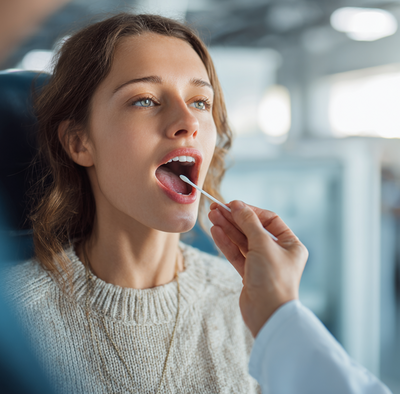

Table of Contents
What Is Saliva Drug Testing?
Saliva drug testing is a method of drug screening that analyzes oral fluid collected from inside the mouth, typically using a swab placed between the cheek and gum. The sample is then sent to a certified laboratory for analysis.
Unlike urine or hair testing, saliva testing detects drugs that are present in the bloodstream at or near the time of use, making it especially effective for identifying very recent drug consumption. Because collections are observed and do not require restroom facilities, saliva drug testing offers practical advantages in many workplace settings.
Saliva testing is commonly used for non-DOT workplace drug testing, reasonable suspicion situations, and post-incident testing where immediacy and observation are priorities.
How Saliva Drug Testing Works
The saliva drug testing process is straightforward and designed to minimize disruption while maintaining test integrity.
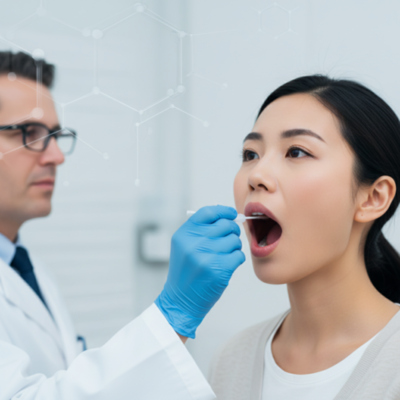
The collection process begins when a trained collector places an oral fluid swab in the employee's mouth, typically between the lower cheek and gum. The swab remains in place for a short period, usually a few minutes, until an adequate sample is collected. Because the process is fully observed, the risk of tampering, substitution, or adulteration is significantly reduced.
Once collected, the sample is sealed and sent to a certified laboratory. The laboratory conducts an initial screening to detect the presence of drugs. If the screening result is non-negative, confirmatory testing is performed using advanced analytical methods. Results are then reviewed and reported to the employer in a clear, standardized format.
Accuracy of Saliva Drug Testing
For employers, accuracy is about whether results are consistent, defensible, and appropriate for the testing scenario. When saliva drug testing is conducted using standardized collection procedures and certified laboratory analysis, it is considered a reliable method for workplace testing.
The accuracy of saliva drug testing depends heavily on program design and execution, rather than the collection method alone. Factors such as collector training, adherence to chain-of-custody protocols, and confirmatory testing for non-negative results all play a critical role in ensuring valid outcomes. Employers who work with experienced testing providers benefit from established quality controls that reduce errors and inconsistencies.
It is also important to understand the scope and limitations of saliva testing. Oral fluid testing is most accurate when used to identify recent drug use, making it well-suited for reasonable suspicion or post-incident situations. However, it is not designed to establish long-term drug use patterns, which may be better addressed through other testing methods.
When used in the right context and supported by proper procedures, saliva drug testing delivers reliable, defensible results that help employers make informed, policy-based decisions without unnecessary complexity.
Detection Windows for Saliva Drug Testing
Saliva drug testing is designed to detect short-term, recent drug use, rather than long-term drug history. According to SMAHSA, because drugs enter oral fluid directly from the bloodstream, saliva testing is particularly effective at identifying use that occurred close to the time of collection.
In most cases, drugs can be detected in oral fluid:
-
Within minutes to a few hours after use, and
-
For up to 24–48 hours, depending on the specific substance, frequency of use, and individual metabolism.
This relatively short detection window distinguishes saliva drug testing from urine or hair testing. While urine tests typically detect drug use over several days and hair tests identify longer-term patterns, oral fluid testing is best suited for situations where recent use is the primary concern.
As a result, saliva drug testing is commonly used for:
-
Reasonable suspicion testing, when recent impairment may be a concern
-
Post-incident or post-accident testing, where timing is critical
-
Workplace situations requiring observed collection and rapid detection
Employers should understand that saliva drug testing is not intended to establish long-term drug use patterns, but rather to identify recent exposure that may impact workplace safety or performance.
What Drugs Does a Saliva Drug Test Detect?
Saliva drug testing panels can be customized based on employer needs. Common saliva drug testing panels include many of the same substances found in urine testing.
Typical saliva drug testing panels may include:
-
Marijuana (THC).
-
Cocaine.
-
Amphetamines (including methamphetamine).
-
Opiates.
-
Phencyclidine (PCP).
-
Benzodiazepine (optional).
-
Additional substances, depending on panel selection.
Employers can choose standard or expanded panels depending on workplace risk factors, policy goals, and industry standards.
Benefits of Saliva Drug Testing for Employers
Observed Collection Reduces Tampering
Because saliva samples are collected under direct observation, the opportunity for tampering, substitution, or adulteration is greatly reduced compared to unobserved urine collections.
Detects Very Recent Drug Use
Saliva testing is effective at identifying drug use that may have occurred shortly before or during work hours, making it valuable in safety-sensitive or post-incident situations.
Fast and Convenient Collection
Collections are quick, non-invasive, and do not require restroom access. This makes saliva testing ideal for on-site testing, remote locations, or workplaces with limited facilities.
Employee-Friendly Process
Many employees find saliva testing less intrusive than urine testing, which can improve cooperation and reduce testing-related friction.
Flexible Use Across Testing Scenarios
Saliva testing can be integrated into pre-employment, reasonable suspicion, post-accident, or random testing programs, depending on employer needs.
Saliva Drug Testing vs Other Workplace Drug Testing Methods
While saliva drug testing offers clear advantages in certain scenarios, it is most effective when employers understand how it compares to other commonly used testing methods. Each method serves a different purpose within a workplace drug testing program, and choosing the right one depends on detection goals, timing, and risk tolerance.
Saliva Drug Testing vs Urine Drug Testing
Urine drug testing remains the most widely used method for workplace screening due to its affordability, standardized procedures, and broad regulatory acceptance. It is often the preferred option for pre-employment testing and random testing programs where identifying recent, but not necessarily immediate, drug use is sufficient.
Saliva drug testing, by contrast, is designed to identify drug use that occurred close to the time of collection. This makes it especially useful in situations where employers need to assess recent exposure, such as reasonable suspicion or post-incident testing. Additionally, saliva testing allows for fully observed collections without the logistical challenges associated with restroom-based urine collections.
Rather than replacing urine testing, many employers use saliva drug testing as a situational alternative, selecting the method that best aligns with the timing and purpose of the test.
Saliva Drug Testing vs Hair Drug Testing
Hair drug testing provides insight into long-term drug use patterns, typically over a 60- to 90-day period. It is often used in higher-risk environments or enhanced pre-employment screening programs where historical behavior is a greater concern than recent use.
Saliva drug testing, as mentioned before, focuses on recent drug use, making it unsuitable for detecting historical behavior but highly effective in time-sensitive workplace situations. Hair testing also involves higher costs and is not appropriate for post-incident or reasonable suspicion testing where immediacy is critical.
Employers evaluating these methods should consider saliva testing as a short-term risk assessment tool, while hair testing supports long-term screening objectives.
When Should Employers Use Saliva Drug Testing?
Saliva drug testing is particularly well-suited for:
-
Reasonable suspicion testing.
-
Post-incident or post-accident testing.
-
On-site testing environments.
-
Workplaces with limited restroom access.
-
Situations where observed collection is preferred.
Employers may also choose saliva testing as part of a broader strategy to strengthen deterrence and reduce workplace risk.
Common Use Cases for Saliva Drug Testing by Industry
Saliva drug testing is particularly valuable in industries where real-time safety concerns, mobile workforces, or rapid response requirements are common. Employers across a variety of sectors use oral fluid testing to support targeted testing needs.
In construction and manufacturing, saliva drug testing is frequently used following workplace incidents or when supervisors observe behavior that raises immediate safety concerns. The ability to conduct observed, on-site collections helps minimize downtime while supporting accurate, defensible results.
Employers in warehousing and logistics often rely on saliva testing for post-incident and reasonable suspicion situations, especially in environments where forklift operation, heavy lifting, or time-sensitive distribution activities increase risk exposure.
In healthcare and senior care settings, saliva testing may be used to address concerns about recent drug use among staff responsible for patient safety, medication handling, or direct care responsibilities.
Staffing and temporary employment agencies also benefit from saliva drug testing when placing workers in safety-sensitive roles on short notice. The ease of collection and rapid scheduling support faster onboarding without compromising safety standards.
For remote or mobile workforces, saliva drug testing offers a practical solution when traditional collection sites are difficult to access, allowing employers to maintain consistent testing practices regardless of location.
Compliance Considerations for Saliva Drug Testing
Saliva drug testing is commonly used in non-DOT workplace testing programs. While DOT regulations are evolving, employers should ensure saliva testing complies with:
-
Federal guidelines, when applicable.
-
State and local drug testing laws.
-
Company policy requirements.
-
Privacy and consent standards.
Working with an experienced drug testing provider helps employers apply saliva testing correctly and consistently.
Policy and Implementation Best Practices for Saliva Drug Testing
Successfully incorporating saliva drug testing into a workplace drug testing program requires clear policy language and consistent implementation. Employers should explicitly define when saliva testing will be used and how it fits within the broader testing strategy.
Policies should specify whether saliva drug testing is intended for situational use, such as reasonable suspicion or post-incident testing, or whether it may also be used for pre-employment or random testing. Clear definitions help prevent confusion and ensure consistent application across departments or locations.
Supervisor training is another critical factor. Supervisors responsible for initiating reasonable suspicion testing should understand when saliva testing is appropriate and how to document observations accurately. Proper documentation supports defensibility and helps maintain program integrity.
Employers should also ensure saliva testing procedures align with applicable state laws, consent requirements, and privacy protections. Regular policy reviews help ensure continued compliance as regulations and workplace needs evolve.
How Health Street Supports Saliva Drug Testing Programs
Health Street helps employers integrate saliva drug testing into their workplace programs by offering:
-
Nationwide access to collection services.
-
Certified laboratory analysis.
-
Flexible testing panels.
-
Clear, consistent result reporting.
-
Support for pre-employment, reasonable suspicion, and post-incident testing.
By centralizing testing services, Health Street enables employers to implement saliva drug testing efficiently while maintaining compliance and consistency across their workforce.
Key Takeaways for Employers
Saliva drug testing offers employers a flexible, accurate, and practical option for detecting recent drug use. With observed collections, fast detection, and minimal disruption, saliva testing can strengthen workplace drug testing programs, especially in safety-sensitive or time-critical situations.
By understanding its benefits and limitations, employers can determine when saliva drug testing fits best within their overall testing strategy.