Oral Fluid (Saliva) Drug Testing Recognized Under Federal Workplace Drug Testing Guidelines

For years, urine testing has been the default. It's familiar, established. It's built into many company policies. But now, there's another compliant option on the table.
Federal workplace drug testing guidelines now recognize oral fluid drug testing as an approved specimen type. That may sound like a simple regulatory update, but for employers, it's a big deal.
So what does that actually mean for your business? Should you revise your policy now? Is oral fluid drug screening more reliable? And how do oral fluid drug test detection times compare to urine?
More employers are seriously evaluating whether saliva-based testing makes sense for their workforce. If you're asking those questions, we're here to help.
Listen to article

Table of Contents
What Is an Oral Fluid Drug Test?
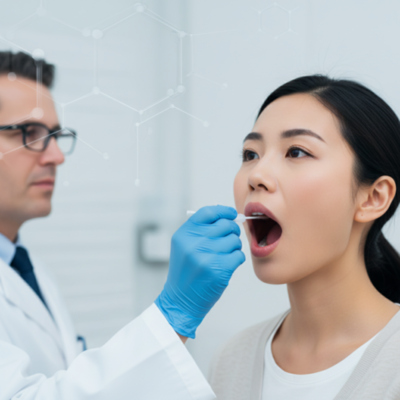
An oral fluid drug test checks for drugs and their metabolites in saliva. Instead of sending someone to a restroom, a trained collector places a small collection device inside the donor's mouth, usually between the cheek and gum. The device absorbs saliva until it reaches the required amount. Then, the sample is sealed and sent to a certified laboratory for analysis.
A saliva drug test is simple and fully observed, reducing the risk of substitution or tampering. That alone is one reason many employers are looking closely at oral fluid drug screening.
Why Federal Recognition Actually Matters
When federal workplace drug testing guidelines recognize oral fluid drug testing, it means saliva testing meets strict scientific and procedural standards.
But here's the key point: federal recognition doesn't replace urine testing. Instead, it expands your options.
Employers now have more flexibility. You can evaluate where an oral fluid drug test makes sense and where urine testing still works best.
That flexibility can be especially valuable if:
-
You manage safety-sensitive roles
-
You need fast post-incident testing
-
You want to reduce tampering risks
This change simply improves your current program rather than replacing it.
How Oral Fluid Drug Screening Works
The process for oral fluid drug screening is straightforward:
-
The collection device goes into the mouth.
-
Saliva is absorbed.
-
The sample is sealed.
-
It's sent to a certified lab for confirmation testing.
-
You receive results electronically through our GLASS platform.
Because the collection happens under direct observation, the integrity of the specimen is easier to control.
The Role of the Quantisal Oral Fluid Collection Device
Not all collection methods are equal. Accuracy depends heavily on how the specimen is collected and preserved.
The Quantisal oral fluid collection device is designed to collect a standardized amount of saliva and preserve the sample during transport to the lab.
The Quantisal oral fluid collection device helps ensure:
-
Proper sample volume
-
Stable transport conditions
-
Secure packaging
-
Reliable laboratory confirmation
Oral Fluid Drug Test Detection Times: What Employers Need to Know
One of the biggest questions employers ask is about oral fluid drug test detection times.
Here's the simple explanation:
-
Drugs can appear in saliva within minutes to a few hours after use.
-
Many substances remain detectable for about 48 hours.
-
Detection times vary depending on the drug, frequency of use, and individual metabolism.
This shorter detection window is important. Unlike urine drug testing, which can detect drug use up to a week back, oral fluid drug screening focuses on more recent use.
That makes an oral fluid drug test especially useful for:
-
Post-incident testing
-
Reasonable suspicion situations
-
Cases where recent impairment is a concern
-
Safety-sensitive environments
If your goal is identifying very recent activity rather than historical use, saliva testing may align better with your objectives.
Saliva Drug Test vs Urine Drug Test: Which Makes More Sense?
When comparing a saliva drug test vs urine drug test, it's not about which one is "better." It's about which one fits your needs. Many employers choose to use either method depending on the situation.
Detection Window
-
Oral fluid drug testing: Typically detects recent use within one to two days.
-
Urine testing: Detects use from several days earlier, sometimes longer.
Collection
-
Saliva drug test: Collected from the mouth, under observation.
-
Urine drug test: Requires restroom access.
Tampering Risk
-
Oral fluid drug screening: Lower substitution risk because collection is observed.
-
Urine testing: Higher risk of adulteration if controls are weak.
Practical Use
-
Saliva testing works well in mobile or field settings.
-
Urine testing may be preferred for longer detection periods.
Substance Detection
With urine testing, employers have access to a wider range of panel options and specialized tests. With saliva testing, the number of available panels is more limited.
Saliva Drug Test Panel Options
Currently, oral fluid drug testing is available in these panel types:
There is also a DOT Oral Fluid Drug Test option expected under federal guidelines, though full implementation depends on laboratory certification. Employers can read more about our DOT oral fluid testing, if applicable.
Urine Drug Test Panel Options
Urine testing includes all of the above panel types, plus additional options such as:
-
DOT Urine Drug Test (already fully approved for DOT use and widely used)
In addition, urine testing often allows for more customized or specialized testing for specific substances beyond standard panels.
Why Panel Flexibility Matters
If your company needs a highly customized drug testing panel, urine testing may offer more flexibility.
If your focus is on detecting very recent use of common substances and maintaining easy collection procedures, oral fluid drug screening may be the way to go.
Why Employers Are Paying Attention
There's a reason oral fluid drug testing is gaining momentum.
It offers:
-
Easier collection
-
Reduced tampering concerns
-
Focus on recent use
-
Greater flexibility
An oral fluid drug test can often be completed in just a few minutes, minimizing downtime for employees and supervisors.
Limitations You Should Not Ignore
Saliva testing is not a universal replacement.
Because oral fluid drug test detection times are shorter, it may not detect drug use that happened several days ago.
Policies must clearly define when saliva testing is used. Supervisors must be trained properly.
When Should You Consider Oral Fluid Drug Screening?
You may want to consider oral fluid drug screening if:
-
You need to detect recent drug use.
-
You are handling post-incident situations.
-
You want to reduce substitution risk.
Some employers keep urine testing for pre-employment or random testing, while using an oral fluid drug test for reasonable suspicion or incident response.
The right answer depends on your safety priorities.
Compliance and Policy Planning
As laboratory capabilities expand, more employers will evaluate how it fits into their programs. Before adding oral fluid drug testing to your program:
-
Review your written drug testing policy.
-
Confirm laboratory certification.
-
Train supervisors and collectors.
-
Update employee communications.
What It All Means
The addition of oral fluid drug testing to federal workplace guidelines gives employers more flexibility and more control.
Saliva testing doesn't need to replace urine testing. However, adding oral fluid drug screening as a possible testing option strengthens your program.
If you're reviewing your workplace drug testing strategy this year, now is the time to decide where saliva testing fits.
Frequently Asked Questions
How accurate is an oral fluid drug test?
An oral fluid drug test is highly accurate when collected and processed properly. Federal workplace drug testing guidelines now recognize oral fluid drug testing as an approved specimen type, meaning it meets strict scientific standards. When a validated collection system like the Quantisal oral fluid collection device is used and the sample is confirmed by a certified laboratory, oral fluid drug screening provides reliable results. Because the collection is observed, it also reduces the risk of substitution or tampering, which helps protect test integrity.
What are typical oral fluid drug test detection times?
Oral fluid drug test detection times are generally shorter than urine testing windows. Most drugs can appear in saliva within minutes to a few hours after use, and many substances remain detectable for about 24 to 48 hours. Detection times vary depending on the substance, frequency of use, and individual metabolism. Because oral fluid drug screening focuses on recent use, it is commonly used for post-incident testing, reasonable suspicion situations, and safety-sensitive environments where identifying recent activity is important.
Saliva vs urine drug test: what’s the difference?
When comparing a saliva vs urine drug test, the main differences are detection window, collection process, and panel flexibility. A saliva drug test detects recent drug use, usually within one to two days, and is collected from the mouth under direct observation. Urine testing can detect drug use from several days earlier and offers more panel options and specialized substance testing. Many employers use saliva drug testing when recent use and reduced tampering risk are priorities, while urine testing may be preferred for longer detection periods or expanded substance coverage.