11 Panel Saliva Drug Test: Employer Use Cases

Workplace drug testing has undergone significant evolution over the past decade. Employers are no longer limited to basic urine panels or narrow screening options. As safety concerns increase and new substances emerge, many organizations are expanding their testing strategies. One of the most practical and increasingly popular solutions is the 11 panel saliva drug test.
This method combines the convenience of oral fluid collection with a broader detection scope that goes beyond traditional five panel screening. For employers in safety-sensitive industries, healthcare, construction, transportation, manufacturing, and executive leadership environments, an expanded saliva panel can provide timely insight into recent drug use while maintaining a respectful and efficient testing experience.
In this comprehensive guide, we will explain what an 11 panel saliva drug test includes, how it works, when employers should use it, how it compares to other testing methods, and why partnering with an experienced provider like Health Street can help ensure compliance and reliability.
Listen to article


Table of Contents
What Is an 11 Panel Saliva Drug Test
An 11 panel saliva drug test is an oral fluid screening that detects eleven different drug classes or specific substances using a sample collected from inside the mouth. The test identifies recent drug use by analyzing saliva for parent drugs and, in some cases, metabolites.
Oral fluid testing has gained acceptance because it is minimally invasive, directly observed without compromising privacy, and difficult to adulterate. The 11 panel configuration expands the range of substances beyond the standard five-panel commonly used in federally regulated urine testing.
While panel structures may vary slightly by laboratory, Health Street's 11 panel saliva drug test screens for the following substances:
Amphetamines, cocaine, codeine, fentanyl, heroin, hydrocodone, marijuana (THC), ecstasy (MDMA), methamphetamines, morphine, oxycodone, and phencyclidine (PCP).
The exact composition depends on the employer's policy and laboratory configuration. It is essential to collaborate with a certified laboratory to ensure the panel aligns with compliance requirements and organizational risk management objectives.
How Saliva Drug Testing Works
Saliva drug testing detects drugs present in oral fluid shortly after use. Unlike urine testing, which primarily detects metabolites excreted by the body, oral fluid testing often detects the parent drug itself. This distinction makes saliva testing particularly effective for identifying recent consumption.
After drug use, substances circulate in the bloodstream and can transfer into saliva through passive diffusion. Because saliva reflects blood concentrations relatively closely during the early post-use period, it is well-suited for detecting use within hours to a few days, depending on the substance.
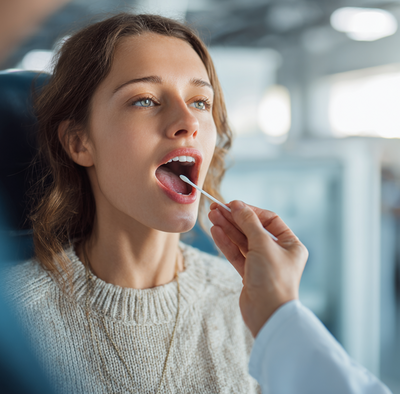
The collection is simple. A swab or absorbent device is placed inside the donor's mouth, typically between the cheek and gum, until sufficient fluid is collected. The specimen is then sealed and sent to a certified laboratory for analysis. Initial screening is often conducted using immunoassay technology, followed by confirmatory testing using highly specific methods such as liquid chromatography tandem mass spectrometry when required.
The Substance Abuse and Mental Health Services Administration has published Mandatory Guidelines for federal workplace drug testing programs using oral fluid, reinforcing the scientific validity and reliability of this specimen type.
Detection Window for an 11 Panel Saliva Drug Test
One of the primary reasons employers choose saliva testing is its ability to detect recent drug use. The detection window for most substances in oral fluid ranges from several hours up to approximately forty-eight hours, although this varies depending on the drug, frequency of use, dosage, and individual metabolism.
For example, cocaine and amphetamines are often detectable within minutes to hours after use and may remain detectable for even longer. Marijuana (THC) can also appear in saliva shortly after use, with detection generally strongest during the first several hours and commonly lasting up to 24–48 hours, although chronic or heavy use may extend detection even more.
Because of this shorter detection window, saliva testing is particularly effective for:
-
Post-accident testing
-
Reasonable suspicion situations
-
Return to duty monitoring
-
Random testing where recent use is the primary concern
Unlike hair testing, which reflects historical patterns over months, oral fluid testing provides insight into more immediate drug activity. This makes it highly valuable for employers focused on impairment risk and real-time safety concerns.
Employer Use Cases for the 11 Panel Saliva Drug Test
The expanded scope of an 11 panel saliva drug test makes it well-suited for industries and roles where both illicit drugs and prescription misuse pose safety or liability risks.
Safety Sensitive Roles
In safety-sensitive environments such as construction, manufacturing, energy production, and certain non-DOT transportation roles, employees may operate heavy equipment or perform physically demanding tasks where impairment can increase accident risk. Substances such as prescription sedatives, synthetic opioids, and benzodiazepines may affect reaction time, coordination, and judgment.
An 11 panel saliva drug test expands detection beyond the basic five drug classes to include commonly misused prescription categories, helping employers strengthen workplace safety policies and reduce liability exposure in non-regulated testing programs.
For federally regulated transportation employees, drug testing must follow U.S. Department of Transportation requirements. While DOT oral fluid testing has been authorized, implementation is still evolving as certified laboratory availability expands.
Healthcare and Clinical Settings
Healthcare organizations operate in environments where employees may have access to controlled medications as part of patient care. This increased access can elevate concerns around diversion, misuse, and medication handling accountability, making thoughtful drug testing policies an important component of workplace risk management.
Health Street's 11 panel saliva drug test includes detection of several substances relevant to healthcare diversion risks, including fentanyl, oxycodone, hydrocodone, morphine, codeine, and heroin, along with drugs such as amphetamines, cocaine, marijuana (THC), methamphetamines, ecstasy (MDMA), and phencyclidine (PCP). This expanded opioid coverage provides greater visibility into substances commonly encountered in clinical environments.
Because oral fluid testing identifies recent drug use and is directly observed, it offers healthcare employers a practical screening option that supports safety, accountability, and patient protection without invasive collection procedures.
Executive and High-Responsibility Positions
Leadership roles often involve critical decision-making, financial oversight, and public trust. While these positions may not involve physical safety hazards, impairment can still create substantial organizational risk.
Employers may use an 11 panel saliva test for pre-employment screening or periodic testing in executive-level hiring processes where broader substance detection is desired.
Post Accident and Reasonable Suspicion Testing
Because oral fluid testing reflects recent use, it is especially appropriate following workplace incidents or when supervisors observe signs of possible impairment. The ability to collect a sample quickly and with direct observation enhances evidentiary integrity.
The U.S. Department of Transportation recognizes oral fluid as an approved specimen type for federally regulated testing programs, further validating its reliability.
Comparing 11 Panel Saliva Testing to Other Methods
Understanding how oral fluid testing compares to urine and hair testing helps employers select the right tool for their objectives.
Urine testing remains widely used and has well-established federal standards. It offers a moderate detection window and strong historical acceptance. However, it is more susceptible to adulteration and substitution compared to directly observed saliva collection.
Hair testing provides a long detection window of up to ninety days. It is excellent for identifying repeated or chronic drug use. However, it does not detect very recent consumption and is not ideal for post-accident situations.
Saliva testing offers a practical balance. Collections are directly observed, making tampering significantly more difficult, and no restroom facilities are required. Because oral fluid reflects very recent drug use, it can provide more accurate insight into substance use in the hours immediately following consumption compared to urine testing.
Legal and Compliance Considerations
Employers must ensure that any drug testing program complies with applicable federal and state laws. For DOT-regulated positions, testing must follow 49 CFR Part 40 procedures and utilize federally approved panels and cutoff levels.
For non-regulated employers, state laws may affect how marijuana results are handled, particularly in states with legalization measures. Employers should develop clear written policies, communicate expectations to employees, and apply testing procedures consistently.
Working with a knowledgeable third-party administrator helps ensure that panel selection, cutoff levels, laboratory certifications, and reporting procedures align with current legal standards.
Why Health Street Is a Strategic Partner
Managing expanded drug testing panels, compliance documentation, laboratory coordination, and result reporting can be complex. Health Street simplifies this process by offering comprehensive drug testing services through a nationwide network of collection sites.
Health Street provides 11 panel saliva drug testing with certified laboratories, secure online result access, Medical Review Officer services, and expert compliance support. Our team helps employers design testing programs that align with safety objectives, industry standards, and legal requirements.
With thousands of testing locations across the United States, Health Street ensures convenient access for employers with multi-state operations. Our streamlined administration reduces administrative burden while maintaining scientific accuracy and defensibility.
Final Thoughts
The 11 panel saliva drug test represents a modern, practical solution for employers seeking expanded substance detection with a focus on recent use. Its ease of collection, resistance to tampering, and ability to identify both illicit and commonly misused prescription drugs make it particularly valuable in safety-sensitive and high-responsibility roles.
As drug trends evolve and workplace expectations shift, employers need testing programs that are both scientifically sound and legally defensible. Choosing the right panel is a strategic investment in safety, productivity, and organizational trust.
With expert guidance, nationwide coverage, and commitment to compliance excellence, Health Street stands ready to support employers in implementing effective 11 panel saliva drug testing programs tailored to their specific needs.
Frequently Asked Questions
What substances are included in an 11 panel saliva drug test?
Although panel configurations can vary slightly depending on the laboratory, Health Street's 11 panel saliva drug test is designed to detect a wide range of commonly misused illicit and prescription substances. The panel includes amphetamines and methamphetamines, as well as cocaine and marijuana (THC). It also screens for phencyclidine (PCP) and several opioids, including codeine, morphine, heroin, hydrocodone, oxycodone, and fentanyl. In addition, the test detects ecstasy (MDMA), further expanding its coverage of stimulant and synthetic drug use.
How soon after drug use can saliva testing detect substances?
Many drugs can be detected within minutes to hours after use. Detection windows generally extend up to forty-eight hours for most substances, though this varies depending on frequency and type of drug.
Is saliva testing approved for DOT programs?
Although oral fluid testing has been approved under federal DOT guidelines, it is not yet operational because laboratories must first complete the certification process. For this reason, we do not currently offer DOT-compliant oral fluid testing, as we are still awaiting the necessary laboratory certifications.
We plan to provide this option as soon as approvals are finalized. In the meantime, DOT-regulated employers must continue using currently accepted testing methods, such as urine drug testing, to remain compliant with federal regulations.
Is saliva testing accurate?
Yes. When conducted by certified laboratories using validated screening and confirmatory methods such as liquid chromatography tandem mass spectrometry, saliva testing is highly reliable.
Can employees cheat a saliva drug test?
Saliva testing is difficult to adulterate because collection is directly observed and does not require restroom privacy. Modern collection devices also include safeguards to detect tampering.
Is the 11 panel saliva test better than urine testing?
It depends on the employer's objectives. Saliva testing is better for detecting recent use and preventing tampering. Urine testing may provide a slightly longer detection window for certain substances.
How should employers decide which panel to use?
Employers should assess industry risk, regulatory requirements, and internal safety policies. Consulting with a provider like Health Street helps ensure the chosen panel aligns with organizational goals.