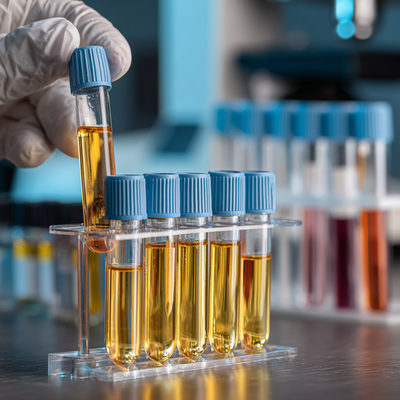
10 Panel Drug Screen: What Employers Should Know

Choosing the right drug testing panel is not about using the most extensive option available; it's about selecting a level of screening that matches real workplace risks. For many employers, the 10 panel drug screen has become a practical solution because it expands beyond basic testing while remaining manageable, cost-effective, and easy to implement.
As drug use patterns continue to evolve, employers are increasingly looking for testing programs that reflect today's realities. Prescription medications, synthetic drugs, and overlapping substance use now play a larger role in workplace impairment than in the past. A 10 panel drug screen helps address these concerns by offering broader visibility without overcomplicating workplace drug testing programs.
Understanding what a 10 panel drug screen includes, how it differs from smaller panels, and when it makes sense to use one allows employers to design drug-free workplace policies that support safety, compliance, and consistency.
Listen to article

Table of Contents
What Is a 10 Panel Drug Screen?
A 10 panel drug screen tests for ten categories of drugs commonly associated with impairment, safety risks, and policy violations in the workplace. In most employment settings, the test is conducted using a urine sample, which remains the most widely accepted method due to its established detection windows, standardized collection procedures, and laboratory confirmation processes.
Compared to a 5 or 7 panel test, a 10 panel screen expands coverage to include additional prescription medications and synthetic drugs that may not appear on smaller panels. This makes it particularly useful for employers who want a clearer picture of substance use that could affect alertness, coordination, judgment, or reaction time on the job.
While urine testing is the most common method, some employers may also explore saliva or hair testing depending on policy goals, job roles, and operational needs. However, urine-based 10 panel drug testing remains the standard choice for most non-DOT workplace programs.
Substances Included in a 10 Panel Drug Screen
A 10 panel drug screen builds on the foundation of standard workplace testing by covering all substances included in a traditional 5 panel test and adding additional drugs that are commonly associated with misuse and workplace impairment. This expanded structure allows employers to gain broader visibility into substance use patterns while maintaining a clear and standardized testing approach.
The 10 panel drug screen is a popular choice because it includes the most common street drugs along with additional prescription and synthetic substances that may not appear on basic panels but still present safety and compliance concerns.
A standard 10 panel drug screen typically includes the following substances:
-
Marijuana (THC)
-
Cocaine
-
Opiates (including heroin, morphine, and codeine)
-
Amphetamines
-
Methamphetamines
-
Phencyclidine (PCP)
-
Benzodiazepines
-
Methadone
-
Propoxyphene
-
Methaqualone
By expanding coverage beyond the drugs included in a 5 panel test, the 10 panel screen helps employers identify substances that may be legally prescribed or less visible but still impair alertness, coordination, and judgment on the job.
While the 10 panel drug screen follows a standardized structure, employers should clearly document the panel used and its purpose within their written drug-free workplace policy to ensure consistency, transparency, and defensibility.
Why Employers Choose a 10 Panel Drug Screen
Basic drug testing panels, particularly the 5 panel drug test, continue to serve many employers well and remain the standard for DOT-regulated testing. However, some organizations find that smaller panels no longer provide sufficient visibility into the substances affecting their workforce.
Employers often choose a 10 panel drug screen when concerns extend beyond traditional illicit drugs to include prescription misuse or poly-substance use. This expanded screening can be especially helpful in identifying substances linked to drowsiness, slowed reaction time, or impaired decision-making, factors that contribute to workplace incidents and productivity issues.
Rather than replacing traditional panels entirely, the 10 panel test is frequently adopted as part of a broader, risk-based approach to workplace drug testing.
Common Workplace Use Cases for a 10 Panel Drug Screen
Pre-Employment Drug Testing
During the hiring process, employers use 10 panel drug screens to evaluate candidates for a wider range of substances that could impact job performance or safety. This is particularly valuable in roles where impairment could lead to injuries, errors, or liability exposure.
Random Drug Testing Programs
Random testing with a 10 panel screen supports deterrence and reinforces consistent policy enforcement. The broader coverage helps discourage ongoing substance misuse while maintaining fairness across the workforce.
Post-Accident Drug Testing
After a workplace incident, employers often need a more comprehensive assessment of potential contributing factors. A 10 panel drug screen provides expanded insight beyond basic panels, supporting incident investigations and documentation efforts.
Reasonable Suspicion Testing
When supervisors observe signs of impairment, such as erratic behavior or decreased alertness, a 10 panel test offers a broader evaluation than smaller panels, helping employers respond appropriately and consistently.
How a 10 Panel Drug Screen Compares to Smaller Panels
Understanding the differences between testing panels helps employers choose the right level of screening for their workforce.
A 5 panel drug test focuses on the most commonly abused illicit drugs and remains the federally mandated standard for DOT-regulated testing. A 7 panel test builds on this foundation by adding limited coverage for prescription drugs.
A 10 panel drug screen expands further, offering additional visibility into prescription sedatives and opioids that may contribute to workplace impairment. Employers seeking broader insight into these substances often view the 10 panel test as a logical progression rather than an unnecessary escalation.
Importantly, choosing a 10 panel test does not diminish the value of traditional panels. Instead, it reflects a tailored approach based on organizational risk, job responsibilities, and workforce needs.
DOT vs. Non-DOT Testing Considerations
DOT-regulated drug testing requires a specific 5 panel test and must follow federal guidelines. A 10 panel drug screen is not DOT-compliant and should not replace DOT testing where regulations apply.
Many employers, however, operate both DOT and non-DOT programs. In these cases, organizations often maintain DOT-compliant testing for regulated roles while using 10 panel testing for non-regulated positions. This dual approach allows employers to meet regulatory requirements while enhancing safety across the broader workforce.
Clear policy language and consistent application are essential to avoid confusion and ensure compliance.
Accuracy, Reliability, and Legal Defensibility
When administered through certified laboratories and supported by proper chain-of-custody procedures, 10 panel drug screens are highly accurate and defensible. Initial screening results are confirmed using advanced laboratory techniques, and, when applicable, reviewed by a Medical Review Officer (MRO).
These safeguards help ensure that legitimate medical explanations are considered and that employees are treated fairly throughout the testing process. Proper documentation and standardized procedures also reduce the risk of disputes or legal challenges.
How Health Street Can Help With 10 Panel Drug Testing
Health Street supports employers by providing flexible, reliable 10 panel drug testing solutions as part of comprehensive workplace drug testing programs. With access to a nationwide network of collection sites, Health Street helps employers implement testing quickly and consistently across multiple locations.
Health Street also assists with policy alignment, ensuring that testing programs are clearly documented and defensible. By offering certified laboratory testing, secure chain-of-custody procedures, and optional Medical Review Officer services, Health Street helps employers maintain accuracy, compliance, and employee trust throughout the testing process.
Whether used for pre-employment, random, post-accident, or reasonable suspicion testing, Health Street's 10 panel drug testing services are designed to integrate smoothly into existing workplace programs.
Preparing Drug Testing Programs for the Future
Basic drug testing panels continue to serve many employers effectively. At the same time, some organizations choose to expand their programs to include substances beyond traditional testing frameworks as workplace risks evolve.
Rather than reacting to incidents after they occur, employers who periodically review their drug testing programs are better positioned to address emerging trends proactively. A 10 panel drug screen offers a balanced way to adapt testing programs without abandoning proven approaches.
Key Takeaways for Employers
A 10 panel drug screen provides broader coverage than basic panels while remaining practical and cost-effective. It is commonly used in non-DOT workplace programs, particularly where prescription drug misuse or safety concerns are present. When supported by clear policies and certified testing procedures, a 10 panel test helps employers maintain safer, more compliant workplaces without unnecessary complexity.
Frequently Asked Questions
Can a 10 panel drug test detect prescription drug misuse?
Yes. One of the primary reasons employers use a 10 panel drug screen is its ability to detect commonly misused prescription medications, including benzodiazepines, methadone, and other expanded opioid categories. These substances may be legally prescribed but can still impair alertness, coordination, and judgment if misused. When testing is conducted by certified laboratories, results are reviewed by a Medical Review Officer (MRO) to verify the legitimacy of prescriptions before final results are reported, helping employers balance safety with employee rights.
How long do drugs stay detectable on a 10 panel urine test?
Detection windows vary by substance and individual factors such as frequency of use and metabolism. In general, most substances included in a 10 panel urine test are detectable for one to several days after use, though some drugs may be detected longer with repeated or heavy use. Urine testing remains the most common workplace testing method because it offers a practical balance between detection range, accuracy, and administrative efficiency.
Is a 10 panel drug screen accurate?
Yes. When conducted using standardized collection procedures and certified laboratory analysis, 10 panel drug screens are highly accurate. All non-negative screening results undergo confirmatory testing using advanced analytical methods to eliminate false positives. Medical Review Officer oversight and documented chain-of-custody procedures further strengthen the reliability and defensibility of results, especially in employment-related decisions.
Can employers customize a 10 panel drug screen?
The 10 panel drug screen follows a standardized structure to ensure consistency and defensibility. While employers typically select from established panel options rather than individual substances, they can choose the panel that best aligns with their workplace risk profile. Any selected panel should be clearly outlined in the employer's written drug testing policy to ensure transparency and consistent enforcement.
Does a 10 panel drug test include alcohol?
No. A standard 10 panel drug screen does not test for alcohol. Alcohol testing is conducted separately using breath, saliva, urine, or blood, depending on the testing scenario. Employers commonly add alcohol testing for post-accident or reasonable suspicion situations when recent impairment is a concern.