DOT Oral Fluid Drug Testing Is Coming: Employer Guide

With all the recent buzz around DOT oral fluid drug testing, many employers are asking the same question: can we actually use it yet?
The DOT has officially approved oral fluid testing as an alternative to urine testing, which is an exciting step forward. At the same time, many employers are still stuck asking the same questions: What does this change? When does it start? And what am I supposed to do right now?
Here's the honest answer: DOT oral fluid testing is approved, but it's not yet fully ready for use. There are still a few key pieces missing before employers can legally use it for safety-sensitive testing. Until those pieces fall into place, urine testing remains the best compliant option.
Let's walk through what's happening, what's holding things up, and how you can prepare.
Listen to article
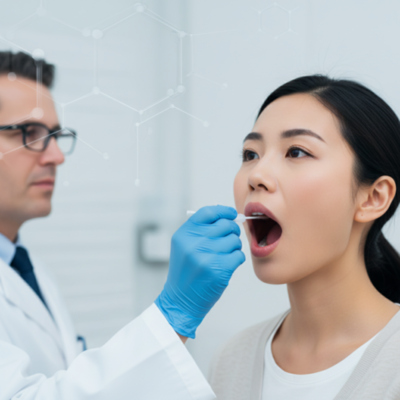
What Is DOT Oral Fluid Drug Testing?
DOT oral fluid drug testing is a smooth drug testing process. Instead of collecting urine, a trained collector takes a saliva sample from inside the employee's mouth using an approved oral swab device. From there, everything follows DOT rules, including the chain of custody, documentation, and strict procedures outlined in 49 CFR Part 40.
Once everything is fully in place, DOT oral fluid drug testing will be allowed for all the same testing situations employers already deal with, including:
-
Pre-employment
-
Random
-
Post-accident
-
Reasonable suspicion
-
Return-to-duty
-
Follow-up
And just to be clear, oral fluid testing isn't replacing urine testing. It's simply becoming another option employers can choose, as long as DOT rules are followed.
Why DOT Oral Fluid Testing Matters To Employers
Urine testing has worked for a long time, but it comes with its challenges. DOT oral fluid testing was approved to help solve some of those pain points.
Reduced Risk Of Tampering And Adulteration
One of the biggest benefits of DOT oral drug testing is how hard it is to cheat. Because the collection is fully observed, there's very little room for substitution, dilution, or funny business.
For DOT-regulated programs, where accuracy really matters, that added layer of confidence is huge.
Faster And Simpler Collections
Anyone who's dealt with a delayed urine collection knows how frustrating it can be. Oral fluid collections are usually quicker and more efficient. That speed can really matter in situations like post-accident or reasonable suspicion testing.
Fewer Privacy Concerns
Observed urine collections can be uncomfortable for employees and collectors. DOT oral fluid drug testing still meets DOT observation requirements, but in a way that feels far less invasive and awkward.
Why DOT Oral Fluid Testing Is Not Fully Available Yet
This part is all about timing.
Even though the DOT finalized the rule allowing DOT oral fluid drug testing, employers can't actually start using it yet. Why? Because DOT requires certain infrastructure to be in place first, and right now it's not there.
Two big requirements are still standing in the way.
HHS-Certified DOT Oral Fluid Testing Labs
Before DOT oral drug testing can officially begin, at least two laboratories have to be certified by the U.S. Department of Health and Human Services (HHS) to handle DOT oral fluid specimens.
These DOT oral fluid testing labs must meet strict federal standards for things like:
-
Testing methods
-
Quality control
-
Accurate reporting
-
Secure chain of custody
As of now, the DOT's official list of HHS-certified DOT oral fluid testing labs is still empty. And without certified labs, there's nowhere to legally send oral fluid samples.
DOT has been very clear on this point: no certified labs means no DOT oral fluid drug testing. Full stop.
Approved Oral Fluid Collection Devices
Even once labs are certified, that's only part of the puzzle. The oral fluid collection devices themselves also have to be approved for DOT use.
Each device must meet requirements for things like:
-
Proper specimen volume
-
Reliable collection
-
Tamper resistance
-
Secure transport to the lab
DOT Oral Fluid Collector Training Requirements
Another detail is collector training.
DOT requires oral fluid collectors to complete separate training and qualification specifically for oral fluid collections. A collector who's certified for urine testing isn't automatically qualified to collect oral fluid samples.
Training covers things like:
-
Correct oral fluid collection procedures
-
Recognizing insufficient or invalid samples
-
Properly completing the Federal Custody and Control Form (CCF)
-
Maintaining chain-of-custody and security
Interim Guidance And Regulatory Workarounds
Because DOT oral fluid testing is approved but not usable yet, there's a bit of a gap between the rule and reality.
For now, DOT continues to require urine testing for DOT-regulated drug tests. While there have been discussions about temporary solutions, urine testing remains the only compliant option until certified DOT oral fluid testing labs are officially announced.
This is why it's important not to rush into anything just yet. Rolling out oral fluid testing too early could put your program out of compliance.
What Employers Should Be Doing Right Now
Even though DOT oral fluid drug testing isn't available yet, this isn't a "do nothing" moment. A little preparation now can make things much easier later.
Update DOT Drug Testing Policies
Now's a good time to review your DOT drug testing policies and start referencing DOT oral fluid testing as an approved option, while clearly stating that urine testing remains the primary method for now.
That way, you're ready when the switch happens, and no one's caught off guard.
Choose a DOT Testing Partner You Can Rely On
DOT oral fluid testing is coming, and having the right partner in place now can make the transition much easier later. Instead of trying to track every DOT update on your own, it helps to know exactly where to go when testing becomes available.
Health Street has a dedicated page for DOT oral fluid testing, and this will be the place where you can order DOT oral fluid testing as soon as it becomes available.
Bookmarking this page now means you won't have to search for answers or next steps when the time comes. You'll know exactly where to start.
Bookmark our DOT oral drug testing page so that you can quickly see when DOT oral fluid drug testing becomes available.
Benefits And Limitations Of DOT Oral Fluid Testing
Like anything else, DOT oral fluid drug testing has pros and cons. Knowing both sides will help you decide how and when to use oral fluid testing once it becomes available.
Benefits
-
Fully observed collections that reduce cheating
-
Faster, simpler collection process
-
Less invasive than observed urine collections
-
Better for detecting very recent drug use
Limitations
-
Shorter detection window than urine testing
-
No certified DOT oral fluid testing labs are available yet
What To Expect Next For DOT Oral Drug Testing
DOT oral drug testing is happening. The rule is final. The procedures are written. The last step is lab certification.
Once at least two DOT oral fluid testing labs are certified, and approved collection devices are available, employers will be able to start using DOT oral fluid drug testing as part of their DOT programs.
Until then, your best move is to stay informed, update your policies, and work with a testing provider who understands DOT compliance inside and out.
Frequently Asked Questions
Is the DOT switching to saliva testing?
The DOT isn't switching testing methods altogether. Even when oral fluid testing becomes available, urine testing will still be allowed and widely used. Oral fluid testing is meant to give employers another compliant option, not take anything away. Once everything is ready, employers will be able to choose what works best for their program.
Has DOT approved oral fluid testing?
Yes, the DOT has approved oral fluid drug testing under federal rules. That's an important step forward. The part that trips people up is timing. Approval doesn't mean it's ready to use just yet. A few required pieces still need to be in place before employers can actually start using it.
What do oral fluid drug tests test for?
Oral fluid drug tests look for the same drug categories required under DOT rules. That includes marijuana, cocaine, amphetamines (including methamphetamine), opioids, and PCP. The standards and cutoff levels are set federally, just like they are for urine testing.
How likely is it to fail a mouth swab drug test?
A mouth swab drug test is designed to detect recent drug use. Because the collection is fully observed, there's very little room for interference or manipulation. Whether someone passes or fails comes down to whether prohibited substances are present above DOT cutoff levels at the time of the test.
Does drinking water help pass a saliva drug test?
No, drinking water won't change the outcome of a DOT oral fluid drug test. DOT testing procedures are built to prevent dilution or manipulation, and collectors follow strict steps to make sure the process stays compliant from start to finish.
When can employers actually start using DOT oral fluid testing?
That's the question everyone's waiting on. Employers will need to wait until DOT requirements are met, including certification of at least two HHS-approved oral fluid laboratories and the availability of approved collection devices. Until then, urine testing remains the only compliant option.
What should employers be doing in the meantime?
For now, the best approach is to keep using urine testing, make sure policies are up to date, and work with a DOT testing provider who's keeping an eye on what's coming next. That way, when oral fluid testing becomes available, you're ready to move forward without scrambling.
Where can employers order DOT oral fluid testing once it becomes available?
Once DOT oral fluid testing is officially available, you'll be able to order it directly through Health Street. Bookmarking the Health Street DOT oral fluid testing page now means you'll know exactly where to go when the time comes.