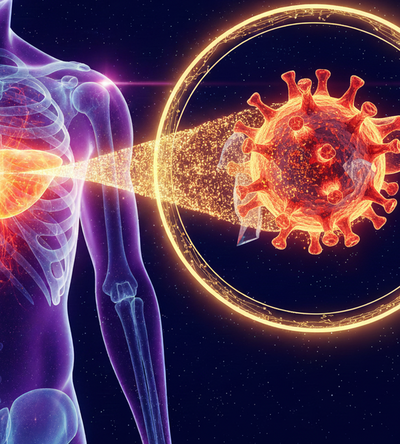
Do You Really Still Need TB Testing for Employees?

It sounds like one of those things we shouldn't have to worry about anymore, right? Tuberculosis feels outdated, like it belongs in a history book, not in your hiring process. So when a TB test comes up before someone starts a job, it's easy to wonder if it's really necessary.
Tuberculosis hasn't disappeared. It's just quieter than it used to be. Because people can carry it without any symptoms, it's not always obvious when there's a risk. TB testing is still part of the process in so many workplaces.
Why does this matter? Because tuberculosis infections can remain dormant in the body for years before becoming active. Without screening, someone might carry the bacteria without realizing it. A quick tuberculosis test can catch it early before it spreads or becomes a bigger issue, like a tuberculosis outbreak.
And if something does come back positive, it's much easier to handle when you catch it early rather than after it's already caused problems.
Listen to article


Table of Contents
What Is Tuberculosis?
Tuberculosis, often called TB, is an infectious disease caused by a bacterium known as Mycobacterium tuberculosis. The bacteria most commonly affect the lungs, but TB can also spread to other parts of the body, including the spine, brain, and kidneys.
TB spreads through the air when a person with active infection coughs, sneezes, or speaks. Tiny airborne droplets containing the bacteria can be inhaled by people nearby.
However, not everyone exposed to TB becomes sick immediately. In fact, there are two types of TB infection.
-
Latent (inactive) TB infection: The bacteria remain inactive in the body. People with latent TB do not feel sick and cannot spread the disease.
-
Active TB disease: The bacteria become active and multiply. People with active TB may experience symptoms and can spread the infection to others.
Because latent TB can develop into active disease later, early detection through a tuberculosis test or TB testing program is a key part of preventing transmission.
Why Tuberculosis Still Appears in Modern Outbreaks
Tuberculosis isn't as common as it once was, but it hasn't gone away. Health officials still track cases every year, and in some situations, those cases can cluster and turn into a tuberculosis outbreak. For a long time, cases in the U.S. were steadily declining, but that trend has started to shift. In 2023, there were about 9,633 reported tuberculosis cases, which was higher than what we saw before COVID.
Outbreaks often occur in environments where people spend extended time together in close proximity. Examples of higher-risk environments include:
-
Healthcare facilities
-
Long-term care centers
-
Correctional facilities
-
Homeless shelters
-
Certain workplace settings
People with weakened immune systems may also be more likely to develop active disease after exposure.
Symptoms of Tuberculosis
The symptoms of tuberculosis can develop slowly and may not appear immediately after infection. Some people with TB infection may not experience symptoms at all, especially if the infection remains latent. However, active TB disease can cause several noticeable warning signs.
Common symptoms of tuberculosis include:
-
Persistent cough lasting more than three weeks
-
Chest pain
-
Coughing up blood or mucus
-
Fever
-
Night sweats
-
Unexplained weight loss
-
Fatigue or weakness
-
Loss of appetite
Because these symptoms overlap with other respiratory illnesses, doctors often recommend a tuberculosis test or TB testing when someone has prolonged symptoms or possible exposure to the disease.
How TB Testing Works
The most reliable way to detect tuberculosis infection is through a tuberculosis test. Today, two main methods are used in TB testing programs: skin tests and blood tests.
Tuberculosis screening PPD (skin test)
One common method is the tuberculosis PPD skin test. During this test, a healthcare provider injects a small amount of purified protein derivative just under the skin of the forearm. After 48 to 72 hours, the injection site is examined for swelling. The size of the raised area helps determine whether the test result indicates exposure to TB bacteria.
Because the reaction must be measured in person, the tuberculosis screening PPD test typically requires two visits: one for the injection and one for the evaluation.
Oxford T-SPOT TB blood test
The Oxford T-SPOT is one of the main options for testing for tuberculosis blood test. Instead of looking for a reaction on the skin, it measures how your immune cells respond to TB bacteria using a blood sample.
This test is often used in healthcare and occupational settings because it tends to be very precise, especially for people who may have received the BCG vaccine. It also helps reduce some of the false positives that can happen with skin tests.
Like other blood-based TB tests, the T-SPOT only requires one visit, and results are processed in a lab.
QuantiFERON-TB Gold blood test
Another widely used option for testing for tuberculosis blood test is the QuantiFERON-TB Gold test. This test also uses a blood sample to detect the body's immune response to TB bacteria.
QuantiFERON is commonly used for workplace screening programs because it's efficient and doesn't require a return visit. It's especially helpful for large organizations that need a streamlined testing process across multiple employees.
What's the Difference Between the T-Spot and QuantiFERON-TB test?
The T-SPOT looks at how many immune cells react to TB, while QuantiFERON measures how strong that reaction is. In most cases, the choice comes down to the situation. T-SPOT may be preferred when a higher level of sensitivity is needed, while QuantiFERON is often chosen for convenience and large-scale workplace testing.
What Happens if a TB Test Is Positive?
If someone receives a positive result, it does not necessarily mean they have active TB disease. A positive result simply indicates that the immune system has been exposed to TB bacteria at some point. After a positive result, healthcare providers often perform additional evaluations to determine whether the infection is latent or active.
These evaluations may include:
-
Chest X-ray
-
Medical history review
-
Sputum testing
Many individuals with positive test results have latent TB infection, which means the bacteria are present but inactive.
Why TB Testing Still Shows Up in Hiring
So if tuberculosis isn't as common as it used to be, why is testing still part of the process? Employers aren't trying to solve for how common TB is; they're trying to avoid risk altogether. All it takes is one undetected case in the wrong environment to create a problem.
That's why industries like healthcare, long-term care, education, and social services still rely on TB testing. It's a simple way to catch something early before it affects other employees or turns into a tuberculosis outbreak.
Don't let something invisible turn into something disruptive.
Why Testing Still Matters Even When People Feel Fine
Tuberculosis doesn't away make itself apparent immediately, which makes it different from many other workplace risks. Someone can have TB bacteria in their body and feel completely normal. No symptoms or warning signs, and nothing that would raise concern.
That's really the answer to the question.
You still need TB testing because, without it, there's no reliable way to catch those cases early.
Where to Get a TB Test
The good news is TB tests are easy to find and quick to complete. Health offers several kinds of tuberculosis testing at our nationwide network of clinics, giving you convenient options for testing no matter where you are.
So, Do You Really Still Need TB Testing?
If you're trying to avoid problems before they happen, the answer is yes.
TB hasn't gone away; it's just less obvious. Since it can exist without symptoms, testing is still one of the only ways to catch it early.
Frequently Asked Questions
What is a tuberculosis test?
A tuberculosis test is a screening method used to determine whether someone has been infected with TB bacteria. The most common options include the tuberculosis screening PPD skin test, and testing for tuberculosis blood test.
What are the symptoms of tuberculosis?
Common symptoms of tuberculosis include a persistent cough lasting more than three weeks, chest pain, coughing up blood, night sweats, fever, fatigue, and unexplained weight loss.
What does a test for tuberculosis positive mean?
A positive result means the person has been exposed to TB bacteria. Additional testing is required to determine whether the infection is latent or active.
What is tuberculosis screening PPD?
The tuberculosis screening PPD test is a skin test that involves injecting a small amount of testing material under the skin and evaluating the reaction after 48 to 72 hours.
What is testing for tuberculosis blood test?
A TB blood test analyzes a blood sample to determine whether the immune system responds to TB bacteria.
What are tuberculosis treatments?
Tuberculosis treatments typically involve antibiotics taken for several months to eliminate TB bacteria and prevent the infection from spreading.
Where can I find a tuberculosis test near me?
Health Street provides tuberculosis testing through a nationwide network of clinics, making it easy to schedule and complete your test. You can choose from both skin tests and blood tests, with flexible scheduling options.
Can tuberculosis outbreaks still happen?
Yes. Although TB is less common than in the past, clusters of cases can still occur and develop into a tuberculosis outbreak, particularly in environments where people spend extended time indoors together.