Mining Employment Screening: Drug Testing, Background Checks & Health Tests
In the mining industry, one mistake can cost lives. A failed mining drug test, an overlooked mine medical test, or the wrong hire can lead to serious accidents, compliance issues, and shutdowns.
That's why companies rely on structured mining testing programs. From drug testing mining services to background checks and medical screenings, these programs help reduce risk and keep crews safe.
At Health Street, we make it simple to manage mining drug and alcohol testing, stay compliant, and hire with confidence—without slowing down your operations.
Protect your crew and stay compliant. Call (888) 378-2499 or register online to get started.

Why Mining Testing Matters for Safety and Compliance
Mining has a long history of high-risk incidents, and many of them are preventable.
Since 1839, there have been 726 mining disasters with five or more fatalities, leading to over 15,000 deaths. On average, about 20 major accidents happen each year. Many are caused by avoidable issues like explosions, roof collapses, and transportation failures, often tied to human error.
In fact, studies show that over 90% of coal mining accidents are linked to human factors, including unsafe behavior and poor decision-making. Consistent mining testing helps employers make sure that workers are alert, capable, and able to meet the minimum standards of fitness to perform work at a mine.
MSHA Drug Testing Requirements and Certification
There is no single nationwide rule for Mine Safety and Health Administration (MSHA) drug testing requirements, but MSHA enforces strict safety standards that encourage drug-free workplaces.
Because of this, most employers include testing as part of their hiring process.
If you're wondering if you need to pass a drug test for MSHA certs, the answer is usually yes. Most companies require a mining drug test before allowing workers on-site, even if it's part of company policy rather than a direct federal mandate.
Drug Testing Mining: What the Data Shows
Substance use continues to impact the mining workforce more than many expect. According to SAMHSA:
-
About 1% of mining workers have an opioid use disorder
-
Around 5% report recent drug use
-
17.5% report heavy alcohol use
Workers in extraction industries also have the highest overdose death rate tied to prescription opioids and the second-highest rate for synthetic opioids like fentanyl.
Drug Testing Services
Other labs just sell tests. We deliver trust, speed, and real human support for the Mining industry. No hidden steps, no confusing options. Just straightforward, professional drug testing that does what it says it will.




Mining Background Checks for Safer Hiring
A strong mining background screening process helps prevent costly hiring mistakes.
Even though mining fatalities have dropped by over 90% in the past 40 years, major incidents still happen. Events like the 2010 Upper Big Branch disaster show how quickly things can go wrong.
Background checks help you:
-
Verify experience and certifications
-
Identify potential risks early
-
Reduce liability
-
Build a more reliable workforce
Background Check Services
We run background checks 100% online. Fast, reliable, and built for the Mining industry. No scheduling, no delays. Just results.


Mining Medical Requirements and Mine Medical Tests
Mining work is physically demanding and often exposes workers to hazardous conditions. That's why mining medical requirements are a key part of workplace safety.
Under MSHA's 2024 silica rule, employers must offer medical screenings to workers exposed to respirable crystalline silica.
These mine medical test screenings include:
-
Chest X-rays
-
Breathing tests
-
Medical and work history reviews
These evaluations help detect serious conditions early, including lung disease and silicosis.
Mining Pre-Employment Medical and Fitness Standards
Many companies require a mining pre-employment medical test before a worker can begin.
These exams confirm that workers:
-
Meet physical and respiratory requirements
-
Can safely perform job duties
-
Are fit for demanding environments
Common Hiring Risks in Mining (And How Screening Prevents Them)
Without proper screening, mining companies may face:
-
Hiring workers who aren't physically fit for the job
-
Increased accident risk due to impairment
-
Compliance issues during audits
-
Delays caused by failed or incomplete screenings
A strong mining testing program helps prevent these issues before they impact your operations.
Occupational Health Services
We keep occupational health moving. Quick access, clear communication, and compliance-ready services for the Mining industry.




Heavy Metals Exposure Testing
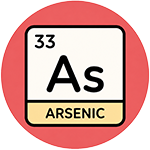
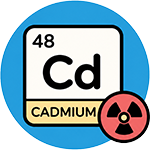
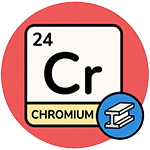
Employees in certain roles may be exposed to heavy metals through workplace materials, equipment, or processes. Health Street offers testing options to help employers monitor potential occupational exposure.
Frequently Asked Questions
Do most jobs in the mining industry drug test?
Yes, most mining jobs in the United States require drug testing, especially in safety-sensitive roles. While there's no federal law mandating it, many states have their own requirements, and companies often follow strict drug testing policies voluntarily.
For example:
-
West Virginia Code §22A-1A-1 requires pre-employment drug testing for job applicants and random drug testing for miners.
-
Kentucky Revised Statutes (KRS) § 351.182 and 351.183 require drug and alcohol testing procedures as part of the miner certification process.
-
Virginia mandates substance abuse screening for certified miners under Senate Bill 1091.
Do I need to pass a drug test for MSHA certs?
In most cases, yes. Employers usually require a mining drug test before allowing workers on-site.
What drugs do mine sites test for?
Most companies use standard and expanded drug panels. These often include:
-
Marijuana, cocaine, amphetamines, opiates, and PCP
-
Additional substances like opioids and synthetic drugs
-
Alcohol testing for safety-sensitive roles
However, since MSHA does not mandate a standardized drug testing program, the substances included in a mining drug test can vary by employer and job site.
What is a mine medical test?
A mine medical test checks physical and respiratory health to ensure workers can safely perform their duties.
What is included in a mining pre-employment medical?
A mining pre-employment medical includes physical exams, respiratory checks, and other evaluations based on job demands.
Why Health Street for Mine Screening Tests
Screening is part of your hiring workflow. Health Street goes beyond individual tests to support the full process of getting workers cleared, documented, and ready for the job.
With one system, you can order drug testing for mining, run background checks, track results, and manage onboarding tasks without switching between tools. From scheduling tests to receiving results and final clearance, everything stays connected and easy to follow.
You can track every candidate in real time, keep records organized in one place, and send or store required documents through built-in eSign tools. Instead of chasing updates or piecing together different services, your team has a clear, structured process that keeps hiring moving and reduces delays.
Health Street helps you stay organized, move faster, and keep your workforce ready without adding extra work to your day.
Citations
-
Centers for Disease Control and Prevention, National Institute for Occupational Safety and Health. (n.d.). Mine disasters by accident type, 1839–2023 (N = 726). https://wwwn.cdc.gov/NIOSH-Mining/MMWC/MineDisasters/AccidentType
-
Centers for Disease Control and Prevention, National Institute for Occupational Safety and Health. (n.d.). Mine disasters, 1839–2023. https://wwwn.cdc.gov/NIOSH-Mining/MMWC/MineDisasters/Count
-
Federal Register. (2024, April 18). Lowering miners' exposure to respirable crystalline silica and improving respiratory protection. https://www.federalregister.gov/documents/2024/04/18/2024-06920/lowering-miners-exposure-to-respirable-crystalline-silica-and-improving-respiratory-protection
-
Kentucky Legislature. (n.d.). 351.182 Drug-and alcohol-free status required for miner certification – Proof – Costs of testing – Breath alcohol device at examination site – Ten-panel urine test. https://apps.legislature.ky.gov/law/statutes/statute.aspx?id=47733
-
Kentucky Legislature. (n.d.). 351.183 Contracts for specimen collection and laboratory testing services – Standards, procedures, and protocol – Criteria for proof from other sources – Annual publication of certified collection and testing providers. https://apps.legislature.ky.gov/law/statutes/statute.aspx?id=44539
-
Mine Safety and Health Administration. (n.d.). Injury trends in mining. https://arlweb.msha.gov/mshainfo/factsheets/mshafct2.htm
-
Mine Safety and Health Administration. (2024). Implementing Effective Workplace Solutions to Prevent Opioid Use Disorder: A Resource Guide for the Mining Industry. https://www.msha.gov/sites/default/files/events/MSHA-NIOSH-OUD-Prevention-Resource%20Guide.pdf
-
Roelofs, C. (2023, March). U.S. Department of Labor research roundtable: Opioid use in the mining & excavation industries (2023, March). U.S. Department of Labor. https://www.dol.gov/sites/dolgov/files/OASP/evaluation/pdf/MSHARoundtable-Mar2023-508.pdf
-
Virginia Department of Mines, Minerals and Energy. (2007, November 13). Substance abuse in Virginia's coal mines: Senate Bill 1091, 2007: Questions and answers. https://energy.virginia.gov/coal/coal-mine-safety/documents/SubstanceAbuse/SubstanceAbuseQA.pdf
-
West Virginia Legislature. (n.d.). West Virginia Code § 22A-1A. https://code.wvlegislature.gov/email/22A-1A/
-
Yang, L., Wang, X., Zhu, J., & Qin, Z. (2022, March 17). Risk factors identification of unsafe acts in deep coal mine workers based on grounded theory and HFACS. Frontiers in Public Health, 10, Article 852612. https://pmc.ncbi.nlm.nih.gov/articles/PMC8968862/